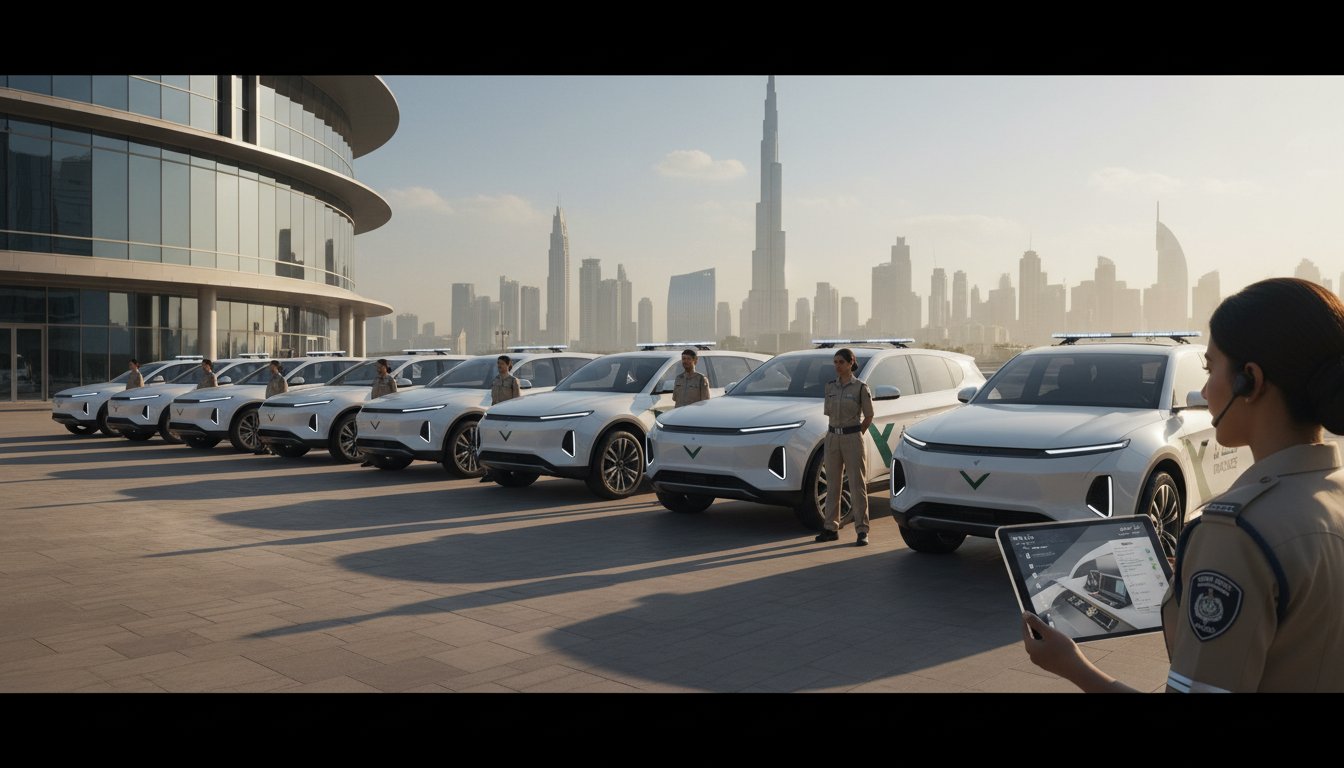
What if your police fleet could adapt seamlessly to the challenges of 2026? The reality is that law enforcement agencies across the UAE are facing an unprecedented wave of change, from stringent MOI and ESMA regulations to the unforgiving GCC climate. This police vehicle procurement checklist 2026 is your roadmap to mastering fleet acquisition, ensuring you select vehicles that withstand scorching heat and integrate cutting-edge communication technology.
We all want a future-proof fleet that minimizes maintenance downtime while adhering to local safety standards. In this article, you’ll discover a comprehensive guide that covers everything from technical specifications to tactical integration, ensuring your fleet is ready to meet the demands of modern policing. Read on to unlock the essential steps for a successful vehicle procurement strategy that equips your officers for the challenges ahead.
Key Takeaways
- Discover the evolving landscape of police vehicle procurement, emphasizing AI integration and eco-friendly options for urban areas.
- Utilize the police vehicle procurement checklist 2026 to ensure your fleet meets critical technical specifications tailored for the UAE's unique climate and operational demands.
- Learn about essential upfitting options that enhance safety and functionality, including advanced lighting systems and ergonomic designs for officers.
- Understand how to navigate UAE compliance standards and certification processes to streamline your procurement logistics effectively.
- Explore partnership opportunities with local manufacturers to leverage expert engineering and design capabilities for your law enforcement fleet.
The 2026 Landscape: Why Police Vehicle Procurement is Changing
The landscape of police vehicle procurement is undergoing a profound transformation in 2026. As law enforcement agencies aim to enhance operational efficiency and officer safety, the focus is shifting toward integrated technologies and sustainable practices. The police vehicle procurement checklist 2026 will reflect these changes, emphasizing the need for advanced capabilities and eco-friendly solutions.
Just as residential safety requires specialized management, the logistics of high-profile events and specialized travel require precision and high-standard vehicle fleets; to explore how these professional transport services operate, check out 1Executive Car.
Emerging Tech Trends for 2026 Patrol Units
One significant trend is the integration of artificial intelligence (AI) and autonomous systems in patrol units. By 2026, many police fleets will likely incorporate AI-driven features such as real-time data analysis and autonomous patrol assistance. 5G technology will enable real-time data streaming from vehicles to command centers, allowing for quicker decision-making and coordination.
Additionally, automated license plate recognition (ALPR) technology will become a standard feature. Agencies will need to ensure that their vehicle procurement includes specific hardware mounting requirements to support ALPR systems effectively. This technological advancement will enhance surveillance capabilities and streamline operations.
The 'Smart Patrol' concept will emerge as the industry standard, combining real-time data with AI to optimize law enforcement responses.
Sustainability in Law Enforcement Fleets
Sustainability is also at the forefront of police vehicle procurement. With urban centers like Dubai and Abu Dhabi facing increased environmental scrutiny, hybrid and electric patrol vehicles are becoming essential. In metropolitan areas, evaluating electric vehicle (EV) chassis will be crucial for effective patrol, while desert pursuits may still require conventional vehicles with robust performance.
This sustainable approach extends beyond traditional cars. Many police forces are diversifying their fleets with electric bicycles for patrols in dense urban centers and for community policing initiatives. While their services are geared towards corporate clients in Europe, companies like Bike2Mobility exemplify the growing trend of specialized, long-term bike rentals for organizations, a model that offers valuable insights for law enforcement agencies looking to enhance their urban mobility.
Weight-saving fabrication techniques will play a pivotal role in extending the range of electric patrol units. By utilizing lightweight composites, agencies can reduce fuel costs and improve vehicle efficiency. This focus on sustainability not only aligns with global trends but also enhances operational capabilities in diverse environments.
As police departments prepare for the future, the traditional standard SUV is no longer sufficient without mission-specific upfitting. Customization that aligns with specific operational needs defines the 'Tactical Edge.' This customization not only impacts officer safety but also significantly improves response times during critical incidents.
In conclusion, the police vehicle procurement checklist 2026 must account for these emergent technologies and sustainable practices. Agencies that adapt to these trends will be better equipped to face the challenges of modern law enforcement.
The Technical Performance Checklist: Engineering for the GCC
The UAE's climate and operational demands require police vehicles to be engineered with precision and performance in mind. Adhering to the police vehicle procurement checklist 2026 involves assessing several critical components that ensure reliability and efficiency for law enforcement agencies operating in rugged environments.
Chassis Reinforcement and Durability
One of the foremost considerations is chassis reinforcement. Police vehicles often undergo significant stress during high-speed pursuits, making it vital to assess frame stress points meticulously. Custom heavy-duty suspension kits should be tailored not only for armored units but also for unarmored ones to accommodate the additional weight of tactical gear and equipment. Standard brake systems frequently fail under police duty cycles, as they are not designed for the extended wear and tear of high-performance driving and emergency response situations.
Ballistic Protection and Armoring Standards
Determining the required ballistic protection level is crucial. Options typically range from B4 to B7, depending on the specific roles the vehicles will serve. For instance, B6-rated vehicles provide adequate protection for high-risk operations, making them suitable for urban patrols in areas like Dubai. Weight management strategies must also be employed to balance the added armor with vehicle performance. For detailed insights, refer to our Car Armouring: A Complete Guide to Vehicle Ballistic Protection.
Exterior Defense: Bull Bars and Bumpers
Integrating robust exterior defenses is another critical step. Selecting winch-compatible bull bars is essential for remote desert operations, especially in regions like Fujairah and Sharjah where off-road capabilities are tested. Precision laser-cutting techniques ensure seamless accessory integration, enhancing vehicle aesthetics while maintaining functionality. For further details on custom solutions, check our guide on Custom Bull Bars and Bumpers.
By meticulously following the technical performance checklist outlined above, agencies can substantially enhance their vehicle fleets, ensuring they are equipped to face the unique challenges presented in the GCC. For more information on outfitting your fleet with the best vehicles, contact us.
Operational Integration: The Upfitting Checklist
When crafting a police vehicle procurement checklist 2026, operational integration is a critical component that ensures law enforcement agencies can perform their duties effectively and safely. This section delves into the essential aspects of upfitting police vehicles to meet the rigorous demands of modern policing.
Lighting and Sirens: Optimal visibility is non-negotiable for police vehicles. The inclusion of 360-degree LED lighting systems provides maximum visibility from all angles, enhancing safety during operations. Multi-tone siren controllers are equally important, allowing officers to communicate urgency effectively while responding to incidents.
Interior Ergonomics: Comfort and functionality are paramount, especially for extended shifts. Custom consoles designed for Mobile Data Terminals (MDTs) and radios enable officers to access vital information quickly and efficiently. This ergonomic approach reduces strain during long hours on patrol in cities like Ajman and Ras Al Khaimah.
Prisoner Transport: Integrated partitions and heavy-duty seating solutions are crucial for transporting detainees securely. These features not only uphold safety standards but also enhance the overall experience for both officers and individuals in custody.
The Tactical Cockpit: Comms and Controls
Ensuring electromagnetic compatibility (EMC) between radio and vehicle electronics is essential to prevent interference, enhancing communication reliability. The human-centric design of controls caters to the needs of officers working 12-hour shifts, promoting efficiency and reducing fatigue. Integrating thermal imaging and night vision displays further equips tactical units with the tools they need to operate effectively in low-visibility situations.
Rear-Cabin Mission Specifics
For K9 units, climate control and monitoring requirements are critical to ensure the well-being of working dogs. Modular storage systems provide rapid access to forensic kits, essential for efficient evidence collection during high-stakes situations. Proper upfitting not only facilitates these needs but also maximizes the vehicle's overall utility.
For more on how to optimize your police vehicle's capabilities, check out our internal link on Police Vehicle Modifications: The Ultimate Guide to Upfitting Law Enforcement Fleets. This guide offers insights into various modifications that can enhance vehicle performance, ensuring your fleet meets the diverse challenges of law enforcement in 2026 and beyond.
Procurement Logistics and UAE Compliance Standards
When developing a police vehicle procurement checklist 2026, understanding the logistics and compliance standards set forth by UAE authorities is crucial. Ensuring that all vehicles meet the stringent regulations from the Emirates Authority for Standardization and Metrology (ESMA) is paramount. All modifications made to these vehicles must be certified by ESMA to guarantee they meet safety and performance standards. This certification not only ensures the legality of the vehicles but also enhances their operational reliability.
Compliance with the UAE Ministry of Interior (MOI) regulations regarding color and marking is another critical aspect. Every police vehicle must adhere to specific color schemes and markings that reflect their official status, which aids in visibility and recognition. Non-compliance can delay the procurement process or result in costly modifications.
Beyond compliance, reviewing warranty and local service support for converted vehicles is essential. A robust warranty ensures that any modifications made will be covered, reducing long-term costs for law enforcement agencies. Local service support is highly beneficial, as it allows for quicker repairs and maintenance, which is vital for vehicles used in emergency situations.
Furthermore, evaluating the total cost of ownership (TCO) versus the initial acquisition price is an essential part of the procurement process. While the upfront cost may be lower for certain vendors, hidden costs such as maintenance, fuel efficiency, insurance, and depreciation can significantly affect the overall budget. To see how professional agencies structure reliable coverage for high-value assets, check out AMCO.NET LLC. A detailed analysis of TCO helps organizations make informed decisions that align with their financial constraints and operational needs.
Navigating UAE Fleet Regulations
To register special purpose vehicles in the UAE, specific documentation is required. This includes proof of ESMA certification, compliance with MOI regulations, and detailed specifications of the modifications. Working closely with certified fabricators ensures that these vehicles are roadworthy and meet all legal requirements. Additionally, understanding the Gulf Standardization Organization (GSO) standards is crucial for vehicles exported across the GCC, as these standards ensure compatibility and safety across member states.
The ROI of Local Fabrication
Local fabrication in the UAE offers distinct advantages over international shipping. Lead times are significantly reduced when production occurs within the country, allowing for faster deployment of vehicles. Moreover, on-site inspections during the fabrication process in Ajman can prevent costly errors and ensure quality control. Long-term savings can also be calculated through the availability of localized spare parts, minimizing downtime and maintenance costs.
For organizations looking to streamline their procurement process, a comprehensive police vehicle procurement checklist 2026 must encompass these logistics and compliance standards. For further assistance and more information on vehicle modifications, visit our website.
Partnering with Auto Industries Factory for Your 2026 Fleet
As the demand for reliable and specialized police vehicles continues to grow, having a robust police vehicle procurement checklist 2026 is crucial. Partnering with Auto Industries Factory (AIF) ensures that your fleet meets the highest standards of performance and safety, thanks to our in-house design and CNC precision engineering capabilities located in Jurf, Ajman. Our proven track record with UAE law enforcement and defense sectors speaks volumes about our ability to deliver customizable solutions tailored to your specific needs.
Our End-to-End Conversion Process
We offer a comprehensive conversion process that encompasses every stage, from initial CAD design to final ballistic testing and painting. Our specialized vehicle conversion services can transform a single patrol unit into a fully operational fleet. By choosing our Ajman facility, you tap into a hub for UAE vehicle innovation, where cutting-edge technology meets rigorous testing protocols. Explore our full range of Specialized Vehicle Conversion Services to see how we can enhance your fleet.
Get Started on Your 2026 Procurement
To ensure your fleet meets the unique challenges of law enforcement, we invite you to schedule a facility tour at our Jurf Industrial Area 1 warehouse. Witness firsthand our engineering expertise and commitment to mission-critical reliability. Learn more about our engineering expertise and request a technical consultation tailored to your specific mission requirements. With our 'Built to Protect' philosophy, we guarantee vehicles designed for durability and reliability.
In a rapidly evolving landscape, ensuring your fleet is equipped for the future is paramount. Our customizable solutions range from single patrol units to complete fleet conversions, ensuring that you have the right tools for every situation. Trust Auto Industries Factory to deliver on your police vehicle procurement checklist 2026 and safeguard what matters most to your operations.
Prepare for the Future of Law Enforcement
The police vehicle procurement checklist 2026 is designed to guide law enforcement agencies through the evolving landscape of vehicle requirements and compliance standards in the UAE. As we’ve explored, understanding technical performance, operational integration, and logistics is vital for building a reliable fleet. Partnering with industry experts like Auto Industries Factory can streamline your procurement process and ensure you meet all necessary regulations.
Don't leave your fleet's success to chance. Request a free procurement estimate for your 2026 fleet today and take the first step towards enhancing your operational capabilities. We're here to help you create a fleet that’s not just functional but exceptional. Let's build the future of law enforcement together!
Frequently Asked Questions
What are the core ESMA requirements for police vehicle modifications in the UAE?
The Emirates Authority for Standardization and Metrology (ESMA) requires that all police vehicle modifications comply with safety, performance, and environmental standards. Vehicles must undergo rigorous testing to ensure modifications meet UAE regulations, including emissions standards and structural integrity. Proper documentation and certification are essential to validate compliance with these requirements during the procurement process.
How does vehicle armoring affect the procurement timeline for 2026?
Vehicle armoring can significantly extend the procurement timeline for police fleets in 2026. Typically, the armoring process requires specialized materials and additional engineering assessments, which can add several weeks to the delivery schedule. Agencies must plan for these delays by including them in their police vehicle procurement checklist 2026 to ensure timely deployment of armored vehicles.
Can standard SUVs be converted into specialized K9 or forensic units locally?
Yes, standard SUVs can be converted into specialized K9 or forensic units locally in the UAE. This process typically involves installing custom compartments and equipment tailored to the specific functions of these units. Companies like Auto Industries Factory offer these conversion services, ensuring that vehicles meet operational requirements and comply with local regulations.
The process begins with a reliable base vehicle. While agencies often purchase new models for conversion, the thriving pre-owned market offers a wide variety of options. Dealerships specializing in used vehicles, such as 585 Cars LLC, demonstrate the diverse inventory of standard SUVs and other models available that can serve as the foundation for less critical, specialized roles.
What is the expected lifespan of a high-duty cycle patrol vehicle in the GCC?
The expected lifespan of a high-duty cycle patrol vehicle in the Gulf Cooperation Council (GCC) region is typically around 5 to 7 years, depending on usage and maintenance. Vehicles used in high-intensity operations may require more frequent replacement or refurbishment to maintain performance and safety standards.
Is it more cost-effective to buy pre-modified vehicles or upfit them locally in Ajman?
Buying pre-modified vehicles can be more cost-effective than upfitting them locally in Ajman, especially when considering the time and labor involved in local modifications. Pre-modified vehicles often include warranties and compliance with regulatory standards, which can save costs associated with potential rework or legal issues later on.
How do 2026 communication systems integrate with existing UAE police networks?
The 2026 communication systems for police vehicles are designed to seamlessly integrate with existing UAE police networks. This integration includes compatibility with current software platforms and secure communication protocols to ensure reliable connectivity. Agencies must ensure that new vehicles are equipped with the necessary technology to facilitate this integration during the procurement process.
What ballistic protection levels are recommended for urban patrol vs. border security?
For urban patrol vehicles, a ballistic protection level of IIIA is often recommended, providing protection against handgun rounds. In contrast, border security vehicles typically require a higher protection level, such as level III or IV, to defend against high-powered rifle rounds. The choice depends on the specific threats faced in each operational environment.
How does Auto Industries Factory ensure quality control during large-scale fleet conversions?
Auto Industries Factory employs a stringent quality control process during large-scale fleet conversions that includes multiple inspection points throughout the conversion stages. Each vehicle undergoes thorough testing to ensure compliance with safety and performance standards. Additionally, documentation is maintained for each conversion to ensure traceability and accountability throughout the process.


